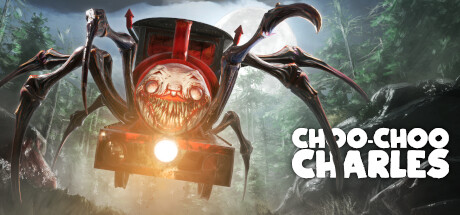
Can a striking antagonist communicate both a threat and a player activity?
The image points toward an activity
Choo-Choo Charles combines a player-operated train, island travel, upgrades and a monstrous pursuer. The official description gives the vehicle a role beyond transport: it is part of preparing for confrontation. Our reading is that the contrast between ordinary machinery and an absurd threat communicates a problem, while the upgrade loop suggests how players can answer it.
The reveal had a destination and several routes
Chris Zukowski's developer-supplied campaign account places the Steam page before the October 2021 trailer. YouTube, Twitter and Reddit carried the reveal, followed by TikTok and press amplification. That ordering is actionable: people could act on their interest. It does not establish which simultaneous post, repost or store exposure produced each individual wishlist.
The headline number is a prelaunch measure
Our assessment: wishlists describe intent, not receipts. A striking reveal must still survive the delay until release and satisfy the expectations it creates. Do not turn this case into a paid-sales estimate, and do not treat a third party's interpretation of recommendation behavior as a verified rule for controlling Steam exposure.
Test whether the threat promises a decision
Proposed experiment: make a snowplow escort on a single road, with a machine-like creature that reacts to engine heat. Give the player one cooling stop and one temporary speed boost. Show a short clip before play, then ask what decision viewers expect to make. If they remember only the creature, improve the playable dilemma before investing in a larger route.