INDEPENDENT INDIE INTELLIGENCE
Steam DiscoveryRESEARCH, ALREADY DIGESTED
Understand the game.
Trace the demand. Build your test.
Game-level stories, dated KPIs and practical production choices. Read the analysis here; use the citations to check it.
39 newly digested stories. 60 cases to learn from.
From roguelikes and co-op horror to shops, cozy worlds and difficult launches. Every story separates the documented outcome, our explanation and a smaller experiment you can try. Newly added does not mean newly released.
GAME STORIES
Follow the whole story—not just the headline.
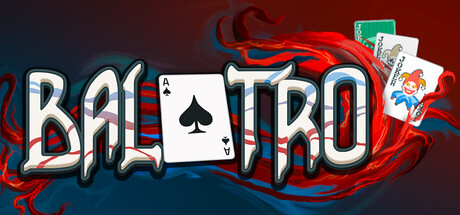
Balatro
A demo can sell the next decision, not just the opening minutes
A familiar card vocabulary can make an unusual scoring system approachable. The useful experiment is whether a player invents another build after understanding the first one.

R.E.P.O.
Make the shared object the teamwork problem
Fragile valuables turn a mundane haul into negotiation, blame and rescue; the documented pivot is more useful than a generic co-op-horror label.

Minami Lane
Give a tiny management game a definite ending
A single street can support meaningful tuning when the player sees who benefits from each adjustment.

A Game About Digging A Hole
One obvious action can carry the pitch—but not the whole production plan
A literal title and visible excavation made the activity immediately legible. Its publisher-backed launch is not evidence that any two-week solo project will reproduce the result.

Arco
A weak launch and a later recovery can both be true
Arco is a case in separating reception, cash runway and lifetime performance. Its early shortfall did not erase a later reported breakeven.

Power of Ten
Twelve thousand wishlists did not mean twelve thousand ready buyers
The 2021 Early Access launch exposed a gap between accumulated interest and immediate purchases. It is a historical launch counterexample, not a verdict on the later full release.

Lethal Company
Company makes isolation more frightening
A quota-driven salvage job creates both a reason to cooperate and reasons to leave one another behind.

Tiny Bookshop
Sell the pleasure of making a good recommendation
A mobile bookshop gives management a social meaning: understanding a customer can matter as much as moving stock.

Vampire Survivors
An obvious survival loop can still have a quiet first month
The early chronology is useful precisely because visibility did not arrive fully formed. A readable loop and later creator exposure should be evaluated as separate parts of the story.

Content Warning
The match makes its own souvenir
Filming is both the dangerous job and the way a group re-experiences its mistakes; the launch giveaway is a separate commercial decision.
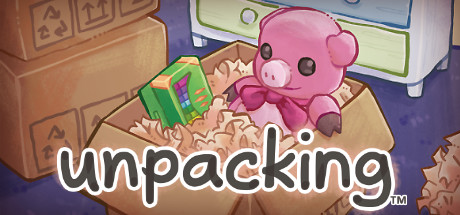
Unpacking
Let objects carry the story
The same action—putting possessions away—can reveal changing relationships without a dialogue system.
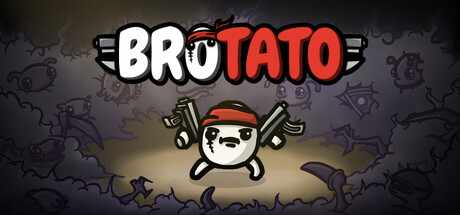
Brotato
The shop can be the hook between the explosions
A compact action arena can support a deliberate planning rhythm. The research question is whether each purchase creates a decision the player can recognize in the next wave.

Dorfromantik
Make every scored move improve the landscape
A tile can be both a strategic decision and a visible contribution to a place the player wants to keep looking at.

Lost Twins 2
Festival acceptance is not the same as proven customer demand
A well-featured puzzle-platformer provides a useful check on the assumption that more event placements inevitably create a commercial hit.

Halls of Torment
A free prelude can preserve progress without proving conversion
Continuity between a sample and a paid game is a product decision worth testing. Its value is reduced friction; the existence of that bridge alone does not reveal how many people crossed it.
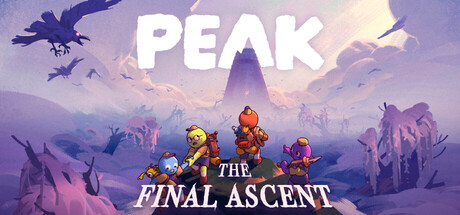
PEAK
One shared meter can organize an entire adventure
The mountain is the stage; declining physical capacity turns a route choice into a story about help, supplies and bad judgment.

A Short Hike
Build an inviting mountain, not a miniature content treadmill
A clear summit can orient players while optional paths make the route feel personally chosen.

Fowl Damage
A hit game's audience does not automatically follow you into another genre
The Peglin connection did not make a precision platformer an easy sell. This is a lesson in audience overlap, not a judgment on craft.

Soulstone Survivors
Reuse the engine, then test whether the new loop earns attention
Technical reuse can reduce the cost of testing a different structure. It does not remove the need to validate that structure, or the cost of maintaining the game that follows.

Mage Arena
Make the input itself the spectator hook
Spoken spells make the player's performance audible, but public voice play also turns accessibility and moderation into product work.

COCOON
Make an impossible idea easy to demonstrate
A world carried like an object gives a complex puzzle game a remarkably compact visual pitch.
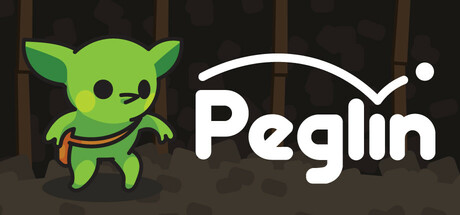
Peglin
A familiar physics toy can make a strategic run easy to demonstrate
A shot is instantly watchable, but a build must change why that shot matters. The case also shows that repeated demos and events can precede an apparently sudden launch.

Phasmophobia
Give the group a mystery, not only a monster
Evidence gathering makes fear useful information; the solo origin grew into a sustained multiplayer service.

Little Kitty, Big City
A familiar creature gives mischief a reason
Being a small cat turns simple city interactions into an instantly understandable comic fantasy.

The First Tree
A visual hook worked harder when it led somewhere
A fox, a legible emotional premise and repeatable clips built a prelaunch audience. The useful mechanism is the path from attention to a reachable audience, not a promise of effortless virality.

20 Minutes Till Dawn
Feedback is useful when it changes the next build decision
A short demo campaign can expose which parts of a loop players want expanded. It is still a campaign, not evidence that a low price or free prologue independently caused sales.

The Exit 8
Repetition can be the content budget
A familiar corridor turns small changes into the game; successful reuse depends on attentive observation, not on empty space.
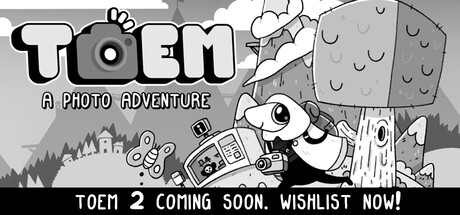
TOEM: A Photo Adventure
Let players create the proof of discovery
Photography makes exploration legible through a collection of things the player chose to notice.
Luck be a Landlord
A commercially active game can still lose money at an event
The launch and convention accounts answer different questions. Store visibility can coincide with strong sales momentum while an in-person booth produces useful learning without measurable acquisition.

Iron Lung
Withholding the view can do more than building it
A cramped instrument panel asks the player to imagine the threat; later real-world attention is a caution, not a repeatable campaign.

SNKRX
A quiet launch can change direction—but updates and acquisition are different
A public development log makes a useful distinction: bringing existing players back does not necessarily introduce new buyers. The early result was a snapshot, not a reliable lifetime forecast.

Choo-Choo Charles
An instantly readable monster still needs a real game
The reveal combined a bizarre pursuer with a clear vehicle loop; its documented wishlist surge is a campaign result, not a sales statement.

WEBFISHING
Make the shared activity easy enough to talk over
Fishing supplies a rhythm for a social space, but the community infrastructure is part of the product.
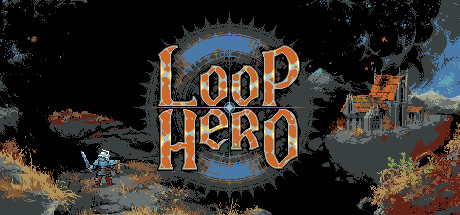
Loop Hero
Let the player build the danger they must survive
Moving agency from the hero to the route creates a compact design question: can players see how their own placement decisions change both risk and reward?

Fears to Fathom — Home Alone
Familiar vulnerability can recruit story contributors
A free domestic-horror episode reached players and elicited personal submissions; reach and future commercial potential are different results.

Supermarket Simulator
Give everyday work a visible chain of consequences
Ordering, shelving and checkout form a tangible operating loop before a large simulation is necessary.

Cobalt Core
One movement axis can carry an entire tactical distinction
The original design interview offers a strong scope lesson: simplify the board until movement remains meaningful without demanding a full tactics-game ruleset.

KinitoPET
Break the fictional boundary without breaking trust
A desktop companion becomes unsettling, while official patches reveal the support cost of making fiction resemble system behavior.

TCG Card Shop Simulator
Let the owner's hobby compete with the business
Selling stock and keeping a personal collection create two reasons to care about the same object.

(the) Gnorp Apologue
Make increasing power something viewers can see
The game converts abstract accumulation into a visible crowd attacking a rock, collecting shards and changing the scene. Our interpretation: a viewer can recognize an upgrade before reading a number.

Rusty's Retirement
Design for the amount of attention a player can spare
The farm occupies a strip of the desktop while crops and helpers continue working. The promise concerns a player's routine as much as farming: return briefly, make a choice and leave without punishment.

shapez
Use playable proof to expose where the factory becomes satisfying
Simple shapes turn factory processing into a legible sequence: extract, transform, combine and deliver. The absence of a combat survival layer focuses attention on recognizing bottlenecks and improving a working machine.

Thronefall
Keep strategic consequences while reducing command overhead
A small kingdom alternates preparation and attack. The attraction is a clear strategic responsibility with compact controls. Our interpretation: players can understand a defensive mistake without learning a full real-time strategy interface.

Stacklands
Turn a management rule into a physical-looking action
Placing one card on another becomes work, crafting or discovery. Familiar tabletop handling makes a management system readable; the evolving arrangement gives players an external picture of what their village is doing.

Dome Keeper
Let one deadline connect gathering and defense
Mining farther from safety increases the reward and the risk of returning too late. That shared deadline connects two familiar activities, letting a viewer understand why a seemingly ordinary collection run becomes tense.

Prickle
A charming puzzle can delight a small audience
Hedgehogs stick together as a parent gathers the children, transforming collection into a spatial constraint. Cute presentation makes the situation approachable, while the growing shape creates a demanding planning puzzle.

Drop It: Block Paradise!
A finished port still needs a new audience
Players manipulate a physical arrangement so a target reaches safety. Gravity supplies immediate visual consequences, but the commercial question remains whether the constraints feel distinctive enough to motivate purchase after the first amusing collapse.

Beyond your Fear
Atmosphere cannot substitute for a dependable playable experience
This psychological horror game combines investigation, riddles and consequential choices. The developer pursued realistic presentation and unsettling warm lighting. A clear atmosphere can attract curiosity, but players still need reliable actions and understandable objectives.

The Ouroboros King
Find the audience for the new decision, not only the familiar rules
Chess provides recognizable movement and threat rules, while roguelike rewards change the army between encounters. The product promise is therefore partly tactical literacy and partly discovering a build that behaves differently from ordinary chess.

Tiny Glade
Let a small gesture produce a beautiful, personal result
Dragging a wall or roof produces detailed architecture without requiring architectural expertise. The appeal is personal authorship with forgiving tools. This supports a creative toy whose reward is the evolving scene rather than victory.

Buckshot Roulette
Make a tense choice readable to the spectator
A familiar dangerous game becomes a sequence of visible probability decisions at a grimy table. Limited information and usable items give viewers reasons to anticipate a choice and argue about its consequences.
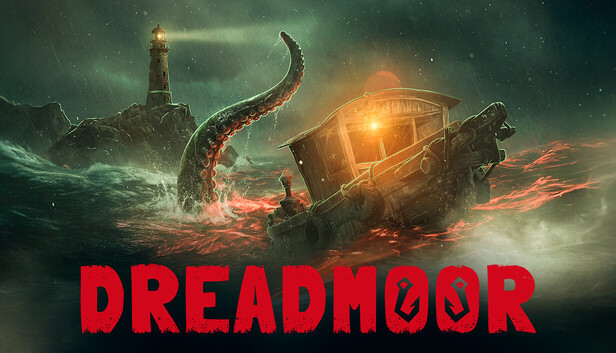
DREADMOOR
Sell a recognizable fear, then prove there is a game underneath
Fishing offers a readable ritual; threatening water gives it tension. Repeated playable proof matters as much as a striking trailer.

Design and Conjure
Make the payoff visible, then find creators who already enjoy it
Tidying and decorating can explain themselves on video. The hard part is delivering satisfying choices rather than a pleasant asset catalogue.

Hauntii
A better pitch can unlock funding without proving a sales breakout
Possession and atmosphere explain a distinctive adventure more clearly than a control-scheme label. Commercial outcomes still need separate evidence.

Into the Radius VR
Shared audiences can create distribution; impressions still are not buyers
A specialist VR survival game found promotional partners around a common player interest. The transferable lesson is audience fit, not guaranteed Steam featuring.

Dear Passengers
The airline fantasy attracted attention; the repeatable game still has to earn it
A huge wishlist story is strongest as evidence of an appealing promise—not proof that any chaotic co-op clone will sell.

Sheepherds!
A clear mechanic is more useful than a bigger list of cozy features
This is a 2025 release with a 2026 trailer retrospective—not a newly discovered 2026 breakout.

Dosa Divas
Distinctive identity can clarify a pitch without proving a large market
Cooking, family conflict, and tactical combat form a coherent promise—but current Steam engagement remains modest.

Freerunners
A tiny movement loop can still become a years-long production trap
This downside case joins a modest festival result to a later release and a developer's frank account of commercial disappointment.

Inkbound
Co-op changes the audience contract, not just the player count
A tactical roguelike reached a meaningful Steam audience while exposing design and business tensions that a short demo must decide early.
Game-first editorial synthesis of public developer accounts, practitioner case studies and dated Steam observations. These are not our interviews or audited campaign accounts. Observed facts, reported claims and proposed experiments are distinguished; missing spend, sales and attribution remain unknown.