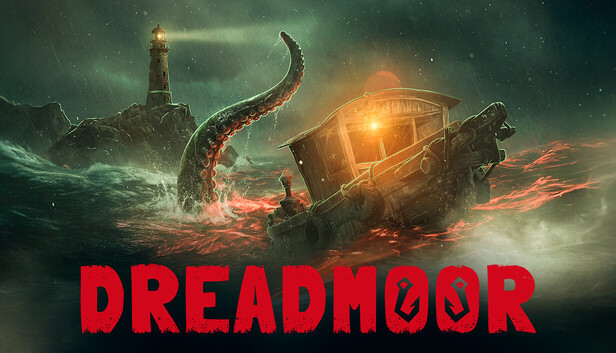
Can a familiar activity make an unfamiliar horror world easier to understand?
The product behind the attention
Our interpretation: fishing is an unusually legible entry point. A viewer understands a line, a catch and a boat without learning a fictional economy. Horror changes the meaning of that ordinary task: staying longer may improve the haul while making the return more dangerous. The useful design question is whether a player feels that tradeoff, not whether screenshots merely resemble an established fishing hit.
The campaign records below show dated interest milestones, not purchases. The later official announcement extends the story beyond the older marketing column. Treat it as a new checkpoint, not proof that the intervening showcase caused the increase. A wishlist is an expression of future interest; it does not reveal price tolerance, refund risk or whether the playable experience satisfies the trailer.
Our inference: the strongest transferable asset is a repeatable tension-producing interaction. Build one encounter that can generate several truthful clips, then let a small test group expose where the controls or feedback break. Publishing more footage only helps if it sharpens the same promise. A spectacular reveal followed by an ordinary minigame may increase the eventual expectation gap.
Night Quota: a stationary fishing kiosk instead of a traversable flooded world.
Proposed mini-demo
Three catches, one upgrade and one looming threat; sell now or risk another cast. Two developers build the loop; the artist creates readable catch silhouettes. PM tests decisions; marketer captures real alternatives.
Technical cuts
Fixed camera region, scripted water threat, simple inventory; no sailing, land combat or multiplayer.
Do not copy
DREADMOOR's names, creatures, vessel art or broad content promise.
Proposed test
By day five, cold testers should understand why stopping can be the smart choice. By day fifteen, show two genuinely different outcomes.
These prototype ideas and gates are our proposals, not the original games’ production plans or validated market benchmarks.
What can go wrong
Atmosphere hides shallow fishing.
Scope expands into boat physics.
Reach is mistaken for purchase demand.
References & how we used them
4 source references. “Used for” identifies where this page relies on each source; it does not mean the author endorses our interpretation. Historical access notes are not fresh verification.
Game World Observer · Irene Borodina (guest author); Alexander Semenov (page byline) · Published 2026-05-21
Used for: Narrative context: Interest, not a launch result; KPI: Historical wishlist milestone (2026-05-21); Campaign event: January 2026 — Closed playtest; Campaign event: February 2026 — IGN Fan Fest + outreach; Campaign event: April 2026 — IndieGameJoe; Reported mechanism; causal explanation remains our inference
Evidence scope: Publisher-authored campaign account combining paid and unpaid activity. Includes a preexisting wishlist base; not a controlled attribution study.
Title and source access checked in this update. Public article text reviewed; linked paid datasets and external announcements not independently audited. Check date: 2026-09-08.
Steam · Author not recorded · Publication date not recorded
Used for: Narrative context: The product behind the attention; KPI: Current released-game CCU / reviews (Checked 2026-09-03); Evidence considered in our demand interpretation
Steam Community · Author not recorded · Publication date not recorded
Used for: Narrative context: Interest, not a launch result; KPI: Later wishlist milestone (2026-07-16); Campaign event: 2026-07-16 — Official announcement