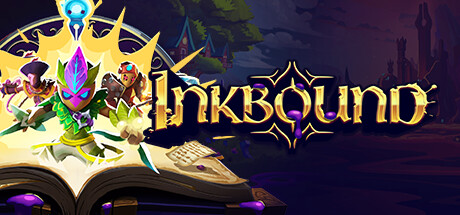
Can a cooperative strategy hook serve solo players equally without diluting what makes cooperation interesting?
A real audience, with a split inside it
Shiny Shoe's postmortem reports that approximately 60% of runs were solo and 40% co-op. These are session observations, not percentages of unique customers. Cooke describes tensions between the two audiences, negative reactions to optional cosmetic monetization, and missing Chinese support as the leading Early Access refund reason. Current SteamDB engagement is substantially larger than the small-release cases here, but none of those facts quantifies which individual decision created sales or refunds.
Interpretation: co-op strategy promises conversation, shared plans, and a reason to care about another person's build. Solo strategy promises control, pace, and no dependence on a partner's availability. Some systems serve both; others require choosing. A two-person action that is essential to the hook may become meaningless when an AI partner performs it automatically. The useful opening is not adding multiplayer to a familiar roguelike, but identifying a decision that is better specifically because another person has agency. That claim should be tested before content or networking infrastructure expands.
Editorial recommendation: use one authored encounter to investigate cooperative decision-making. Begin with two local inputs or explicit hot-seat roles so the interaction can be evaluated without a service backend. A second developer can explore networking only after the interaction proves essential and only if the team already has reliable foundations. The artist makes intent and consequences readable; the PM records disagreements and dead time; marketing tests whether the interaction is explainable in a short clip. If solo is also promised, test it separately rather than averaging both groups into one satisfaction score.
Visible intentions, complementary abilities, and immediate feedback on combined choices.
Change the expression
Choose co-op-first or solo-first explicitly; do not promise equal support by default.
Proposed mini-demo
Proposed: two roles, three abilities each, one arena, and three encounter variations.
Technical cuts
No social hub, centralized hosting fleet, procedural campaign, hundreds of items, or cosmetic shop.
Do not copy
Free testers' approval does not validate a paid business model or localization priorities.
Proposed test
Proposed gate: cold pairs discuss meaningful choices, retain individual agency, and request another encounter; test solo satisfaction separately.
These prototype ideas and gates are our proposals, not the original games’ production plans or validated market benchmarks.
What can go wrong
Dual-mode support can double balancing obligations.
Network services add operational work beyond gameplay.
A mature studio's reach is not an attainable baseline.
References & how we used them
4 source references. “Used for” identifies where this page relies on each source; it does not mean the author endorses our interpretation. Historical access notes are not fresh verification.
Steam · Author not recorded · Publication date not recorded
Used for: Narrative context: The demand structure is the design problem; Campaign event: 2023-05-22 — Steam Early Access; Evidence considered in our demand interpretation; Reported mechanism; causal explanation remains our inference
Game Developer · Mark Cooke · Published 2024-06-11
Used for: Narrative context: A real audience, with a split inside it; KPI: Solo/co-op run split (Historical post-launch observations reported 2024-06-11); KPI: Refund reason ranking (Early Access, as reported 2024-06-11); Campaign event: During Early Access, 2023–2024 — Product / business-model change; Campaign event: 2024-06-11 — Developer postmortem; Evidence considered in our demand interpretation; Reported mechanism; causal explanation remains our inference
Evidence scope: Developer postmortem on Early Access changes and play patterns. Solo/co-op percentages refer to runs, not unique players.
Title and source access checked in this update. Public article text reviewed; linked paid datasets and external announcements not independently audited. Check date: 2026-09-08.
SteamDB · Author not recorded · Publication date not recorded
Used for: Narrative context: A real audience, with a split inside it; KPI: SteamDB total reviews (Snapshot retrieved 2026-09-03); KPI: All-time Steam peak (2024-04-14); Evidence considered in our demand interpretation