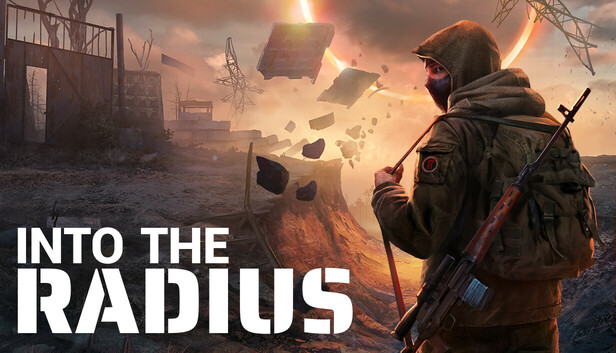
Shared audiences can create distribution; impressions still are not buyers
A specialist VR survival game found promotional partners around a common player interest. The transferable lesson is audience fit, not guaranteed Steam featuring.
Steam Discovery Research · 3 min narrative + evidence · Checked 2026-09-03
Can complementary games make a niche audience easier to reach together?
Demand comes from the procedure
Our interpretation: this fantasy is not simply shooting at threats. Packing, handling equipment and deciding whether to continue an expedition can make players feel competent and vulnerable simultaneously. VR gives those procedures physical presence. That matters when borrowing the concept: a desktop version does not automatically inherit either the embodied appeal or the same addressable audience.
CM Games' historical postmortem describes matching VR-action participants, coordinating promotional material and receiving substantial Steam placement. Its exposure figures cover different surfaces. A person may encounter both repeatedly, so adding them into a unique-audience number is invalid. The useful mechanism is a relevant recommendation context; the unknown is how much additional purchasing the collaboration caused.
Our inference: a small team should identify neighboring audiences before pursuing a large event. A useful partner has players who would understand the prototype's central pleasure, not merely a large following. The current developer site still invites giveaway collaboration, but an invitation route is not an endorsement or guaranteed placement. For the sprint, a reliable build and appropriate partners are controllable; platform featuring is not.
Preparation that visibly changes survival options.
Change the expression
Anomaly Parcel Service: carry one unstable package across a small industrial yard.
Proposed mini-demo
Three tools, one route fork and one threat. Developers build equipment states and recovery; artist establishes readable hazards. PM tests decisions; marketer checks whether the procedure is watchable.
Technical cuts
Desktop-first unless an established VR foundation exists; one authored area, slot inventory, no full weapon simulation.
Do not copy
The setting, branded equipment presentation or assumption that VR demand transfers.
Proposed test
By day five, choosing a tool changes the route. By day fifteen, testers can explain their tradeoff and retry without coaching.
These prototype ideas and gates are our proposals, not the original games’ production plans or validated market benchmarks.
4 source references. “Used for” identifies where this page relies on each source; it does not mean the author endorses our interpretation. Historical access notes are not fresh verification.
cm-immersive.com · Author not recorded · Publication date not recorded
Used for: Narrative context: Demand comes from the procedure; Narrative context: Transfer the fit, not the scale; Evidence considered in our demand interpretation
Article title, author and date not yet recorded; follow the exact URL.